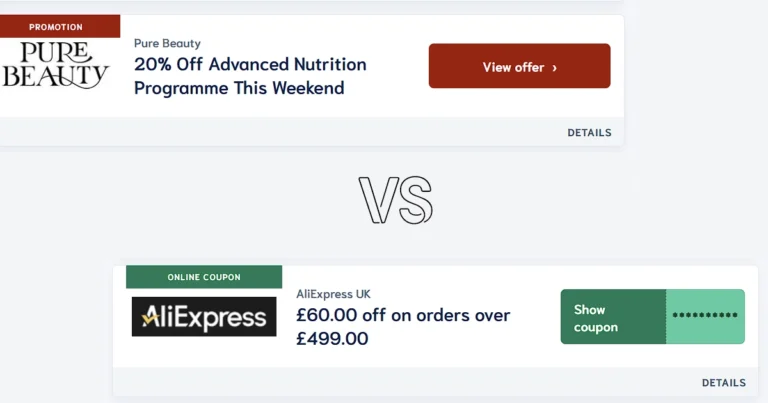
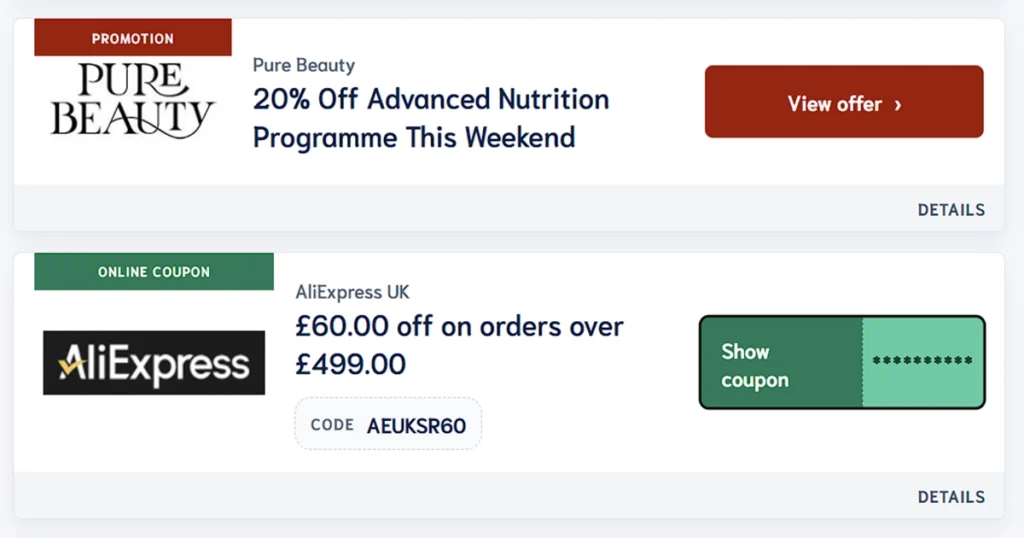
How do coupon codes work – and why do so many shoppers never bother using them? The answer to the second question is usually one of three things: they do not know where to find codes, they assume most are expired, or they think the process is more complicated than it is.
None of those concerns hold up. Coupon codes are one of the simplest ways to pay less on every online order, and understanding how they work takes about five minutes. This guide covers everything you need – what a coupon code actually is, why brands create them, the different types available, and how to apply one without anything going wrong at checkout.
1. What is a coupon code?
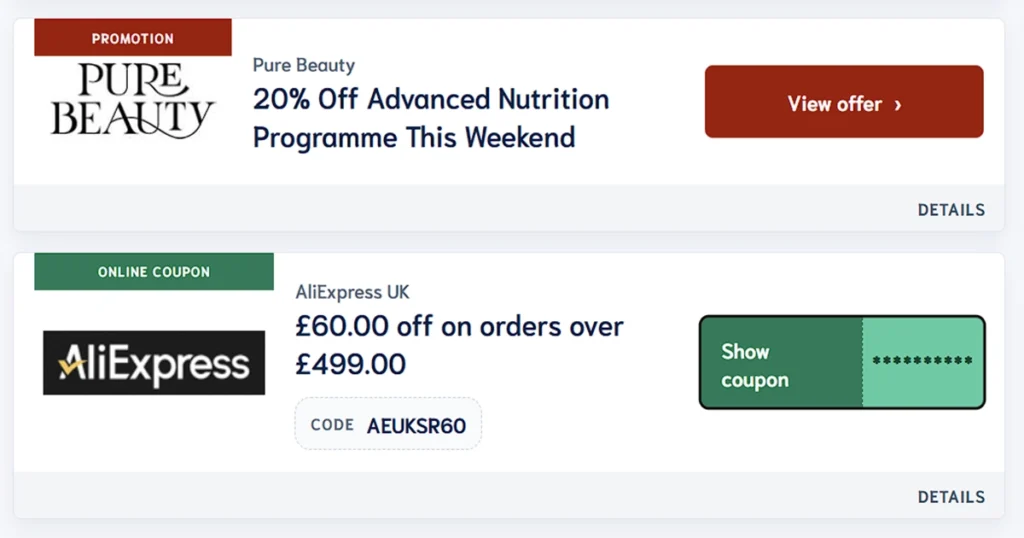
A coupon code – also called a promo code, discount code, or voucher code – is a short combination of letters and numbers that you enter during checkout on an online store. When applied correctly, it reduces the amount you pay before you confirm your order.
Typical coupon codes look like this: SAVE20, WELCOME10, or SUMMER15OFF
The code itself has no value outside the store it was created for. It only works on the correct website, within the valid dates, and sometimes only when specific conditions are met – such as a minimum basket value or a particular product category.
If you are new to online discounts and want a broader picture of how saving money while shopping online works, our guide to what is online shopping savings is a good starting point.
2. Why do brands create coupon codes?
This is the question most people never think to ask – and the answer makes the whole system make sense immediately.
Brands issue coupon codes because they serve a direct business purpose. A discount code is not a loophole or an oversight. It is a deliberate marketing tool. Common reasons brands create them include:
Attracting first-time buyers. A new customer discount lowers the barrier for someone who has never purchased from a store before. The brand accepts a smaller margin on that first order in exchange for gaining a new customer relationship.
Clearing seasonal or excess stock. Retailers regularly need to move products quickly – end-of-season items, overstocked lines, or products being discontinued. A targeted discount code shifts that inventory faster than waiting for a standard sale event.
Competing on price. When the same product is sold across multiple platforms, a retailer may issue a code to make their price more attractive than a competitor’s without publicly lowering the listed price.
Rewarding existing customers. Brands send codes to their email subscribers and loyalty members as a thank-you and to encourage repeat purchases.
Distributing through partner sites. This is how most coupon codes end up on deals websites. Brands actively partner with platforms like MyBestDealsMarket to distribute codes to a wider audience. When a shopper finds a code and uses it, the brand gets a sale it might not have made otherwise. This is exactly why the codes are genuine – brands want them found and used.
3. The 5 main types of coupon codes
Not all codes offer the same type of discount. Knowing the difference helps you pick the most valuable one for your situation.
Percentage discount Reduces your total by a set percentage. Example: 20% off everything in your basket. This type offers the most value on larger orders – a 20% code on a £100 order saves £20, while the same code on a £20 order saves only £4.
Fixed amount off Removes a specific sum from your order total. Example: £10 off your order. This is more valuable than a percentage code on smaller purchases – a £10-off code on a £25 order saves 40%, which most percentage codes cannot match.
Free shipping Waives the delivery fee entirely. On international orders or bulky items where shipping is expensive, a free shipping code can be worth more than a percentage discount on the products themselves.
Minimum spend required The discount only activates when your basket reaches a certain value. Example: 15% off orders over £50. If your order is below the threshold, the code will show as invalid – not because it has expired, but because the spend condition has not been met. Adding one more item to reach the threshold is often worth it.
Category or product-specific The discount applies only to selected items. Example: 25% off all footwear, or £5 off a specific product. These codes will not work on items outside the qualifying category, which is the most common reason for an “invalid code” message at checkout.
4. How to apply a coupon code at checkout – step by step
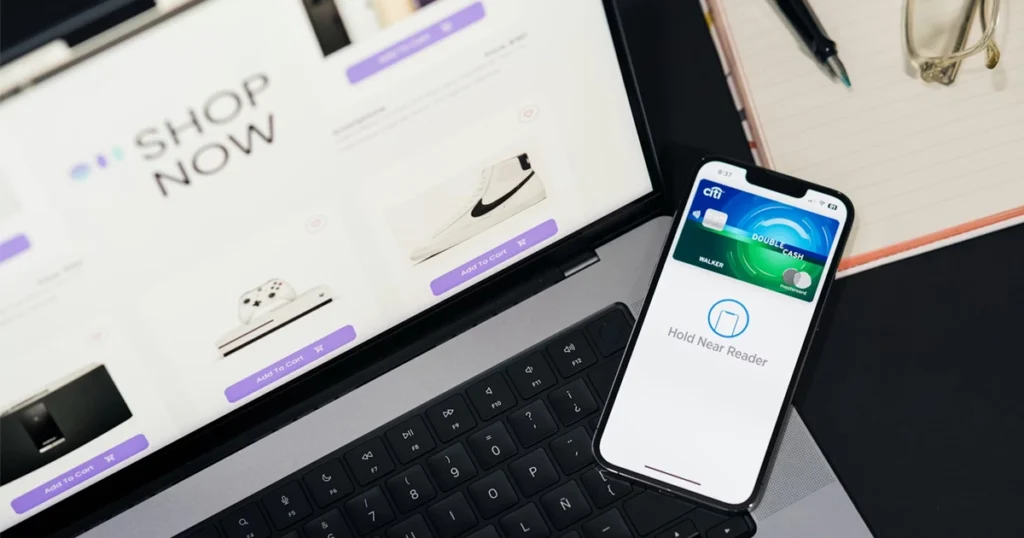
The process is almost identical across every major online store:
- Add the items you want to your basket and proceed to checkout
- Look for a field labelled “Coupon code”, “Promo code”, “Discount code”, or “Voucher” – it appears on the order summary or payment page
- Type or paste the code exactly as shown – most codes are case-sensitive
- Click “Apply” or press Enter
- The discount appears in your order summary before you confirm payment
- Complete your purchase at the reduced price
If the code does not apply, check these four things before assuming it is expired: the spelling is exact, the minimum spend condition is met, the items in your basket qualify for the discount, and the code is valid for your region.
5. Where to find coupon codes that actually work
The most reliable sources for working discount codes are:
Dedicated deals and coupon sites Platforms that collect and verify current codes across hundreds of retailers in one place. Browsing current coupons and deals on MyBestDealsMarket takes under a minute and covers a wide range of stores and categories – fashion, beauty, tech, books, and more.
Brand email newsletters Many retailers send exclusive codes directly to their subscriber list. Signing up for emails from stores you buy from regularly is one of the most consistent ways to receive codes before they are widely available.
The retailer’s own website Some brands display active promotions on their homepage, in a header banner, or on a dedicated “offers” or “sale” page. It is worth checking before going straight to a product page.
At checkout itself Some stores automatically apply a discount when you reach a certain basket value, or display an available code directly in the checkout flow.
According to e-commerce research published by Statista, a significant share of online shoppers actively look for a discount code before completing a purchase. The habit is common – and the savings are real.
Frequently asked questions
Can I use more than one coupon code on the same order? Most online stores allow only one coupon code per order. Some retailers permit a promo code to be combined with a free shipping code, but this is the exception. If you have multiple codes for the same store, use the one with the highest value first.
Why does my code show as invalid even though it looks correct? The most common reasons are: the code has expired, the minimum spend has not been met, the items in your basket do not qualify, or the code is for a different country or region. Work through each of these before concluding the code does not work.
Is it safe to use codes found on third-party deals sites? Yes. The code is simply a text string you enter on the retailer’s own secure website. Using a code from a deals platform does not involve sharing any payment information with that platform.
Do coupon codes expire? Yes – every code has an expiry date set by the brand. Reputable deals sites remove expired codes from their listings, but it is always worth applying a code before completing your purchase rather than saving it for later.
Does using a coupon code affect the quality of my order or delivery? No. A discount code reduces the price you pay. It has no effect on the product, shipping speed, returns policy, or any other part of the transaction.
The one habit that changes how much you spend online
The entire value of understanding how coupon codes work comes down to one practical habit: before completing any online purchase, spend 60 seconds checking whether a discount code is available for that store.
This does not require creating accounts, downloading browser extensions, or comparing dozens of sources. A deals site aggregates all current codes in one searchable place. Find the code, apply it at checkout, pay less. That is the complete process.
Browse active discount codes across fashion, beauty, tech, and more at MyBestDealsMarket – updated regularly, no sign-up needed.
Coupon code availability and discount values change regularly. Always verify the current offer at checkout on the retailer’s website before completing your purchase.