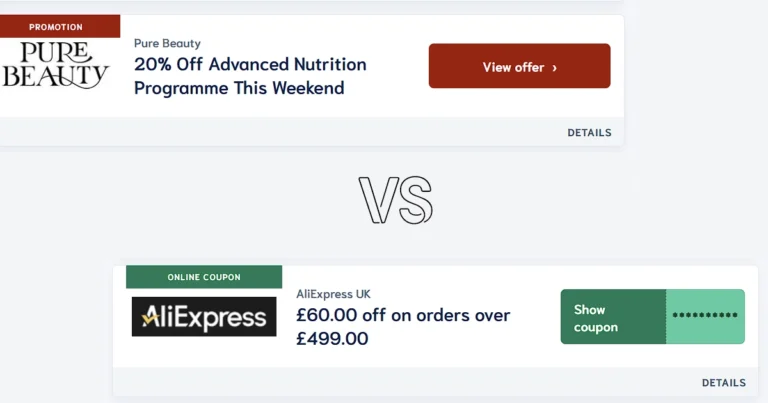
What is online shopping savings – and why should every online shopper understand it? Online shopping has changed the way people buy. Prices shift by the hour, discount codes appear and disappear, and the same product can cost 30% less on one site than another.
This guide breaks down what online shopping savings really means, why it exists, and how to start taking advantage of it today.
What is online shopping savings – and how does it work?
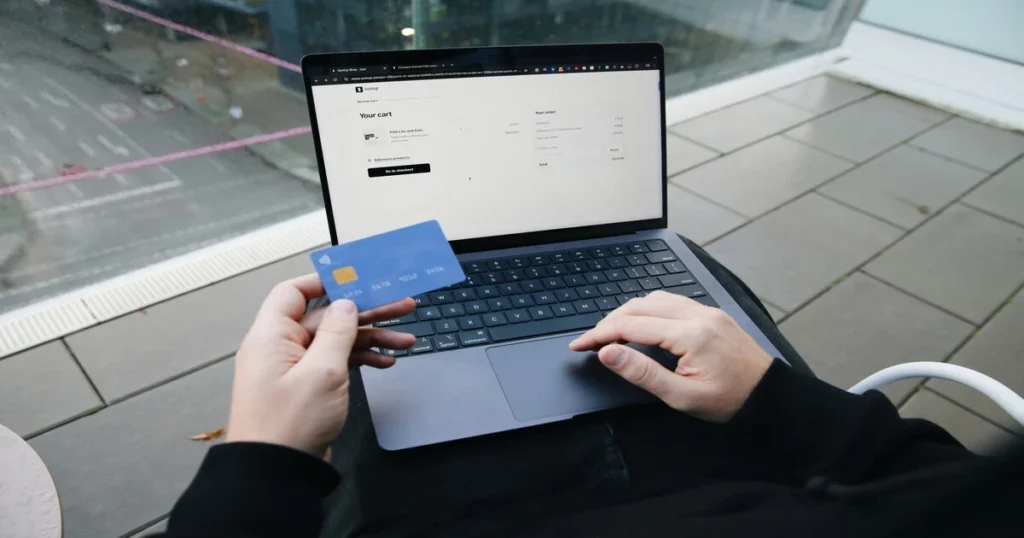
Online shopping savings is a broad term for any situation where a buyer pays less than the standard listed price when purchasing through an online store. This includes:
- applying a coupon or promo code at checkout
- buying during a sale or limited-time promotion
- finding the same product cheaper on a different platform
- using a deals site to discover discounts you would not have found otherwise
The key idea is that the full price a retailer shows is rarely the only price available. Brands run promotions constantly – to attract new customers, clear old stock, compete with rivals, or hit monthly sales targets. A shopper who knows where to look will almost always find a lower price than someone who goes straight to checkout.
Why do online prices differ so much?
Unlike a physical store where every customer sees the same price tag, online retail is dynamic. Prices change based on demand, competitor pricing, time of day, geographic location, and dozens of other factors. This is called dynamic pricing, and virtually every major e-commerce platform uses it.
Beyond dynamic pricing, brands actively create multiple price points through promotions. A fashion retailer might offer 20% off to first-time email subscribers, a different deal through a coupon website, and a separate sale for existing customers. None of these prices are “fake” – they are all genuine offers, just targeted at different audiences.
This is exactly why knowing where to look matters. The person who searches for a promo code before buying pays less than the person who does not – for the exact same product, from the exact same store.
The main ways people save when shopping online
There are several well-established methods shoppers use to reduce what they pay online. Each one suits a slightly different situation.
Coupon codes and promo codes These are alphanumeric codes – usually 5 to 15 characters – that you enter at checkout to receive a discount. The discount can be a fixed amount (£10 off), a percentage (15% off your order), or a condition-based deal (free shipping on orders over £50). Brands distribute these codes through email newsletters, partner websites, and promotional campaigns. Finding them costs nothing and takes under a minute.
Sale events and limited-time deals Retailers run planned sale events throughout the year – seasonal clearances, holiday promotions, and brand-specific campaigns. These are time-limited and often offer deeper discounts than everyday promo codes. The best savings come to shoppers who are already aware of what they want to buy before the sale starts, rather than browsing impulsively during it.
Deal aggregator sites Websites that collect and list current offers, discount codes, and promotions across hundreds of retailers in one place. Instead of visiting 20 different brand websites, a shopper can check one source and immediately see what discounts are available. This is the core purpose of MyBestDealsMarket – to make that process as fast and reliable as possible.
Comparison shopping Before buying, checking whether the same product is available elsewhere at a lower price. This is most effective for electronics, home goods, and branded fashion items where identical products are sold across multiple platforms.
Why it matters more now than five years ago
The cost of everyday goods has risen sharply across most markets. At the same time, competition between online retailers has never been more intense, which means promotions and discounts are more frequent and more generous than before. The result is a gap between what people who actively look for deals pay and what people who do not look for deals pay – and that gap has grown.
For regular online shoppers, the cumulative difference across a year of purchases can be substantial. Someone who consistently applies promo codes, buys during sales, and checks a deals site before purchasing might pay significantly less annually than someone with identical buying habits who skips those steps.
The effort involved is minimal. Finding a discount code typically takes 60 seconds. Checking a deals site before buying takes the same amount of time as going directly to a store’s homepage. The habit, once built, costs nothing.
What gets in the way of saving
Most people do not actively look for discounts for one of three reasons.
The first is convenience. Going straight to a favourite store and clicking buy is faster in the short term. The savings feel abstract until you add them up.
The second is scepticism. Many shoppers assume that discounts are always “too good to be true” or that promo codes are expired. While some codes do expire, legitimate deal sites verify and update their listings regularly.
The third is not knowing where to look. This is the most common barrier and also the easiest to solve. A reliable deals site removes the need to search across dozens of sources.
How to start saving on your next purchase
The simplest starting point is to make it a habit to check for available offers before completing any online order. This does not require a complicated system. It means:
- Deciding what you want to buy
- Checking whether a coupon or deal is available for that store – for example, on current coupons & deals
- Applying the code at checkout
- Completing the purchase
That is the entire process. For most purchases it adds under two minutes to the buying journey and requires no account, no subscription, and no upfront cost.
If you want to go further, learning how coupon codes work in more detail will help you understand which types of discounts apply to which situations – and how to avoid the most common mistakes shoppers make when applying them.
Final thought
Online shopping savings is not a niche hobby for extreme bargain hunters. It is simply the practice of paying a fair price rather than an inflated one. The tools to do it – deals sites, promo codes, sale calendars – are freely available to anyone. The only thing that separates shoppers who consistently pay less from those who do not is the habit of checking before buying.
If you are ready to start, browse current deals and discount codes across all categories on MyBestDealsMarket – no sign-up required.
Prices and discount amounts mentioned in this article are for illustrative purposes. Always check the exact current price directly on the retailer’s website before purchasing.