
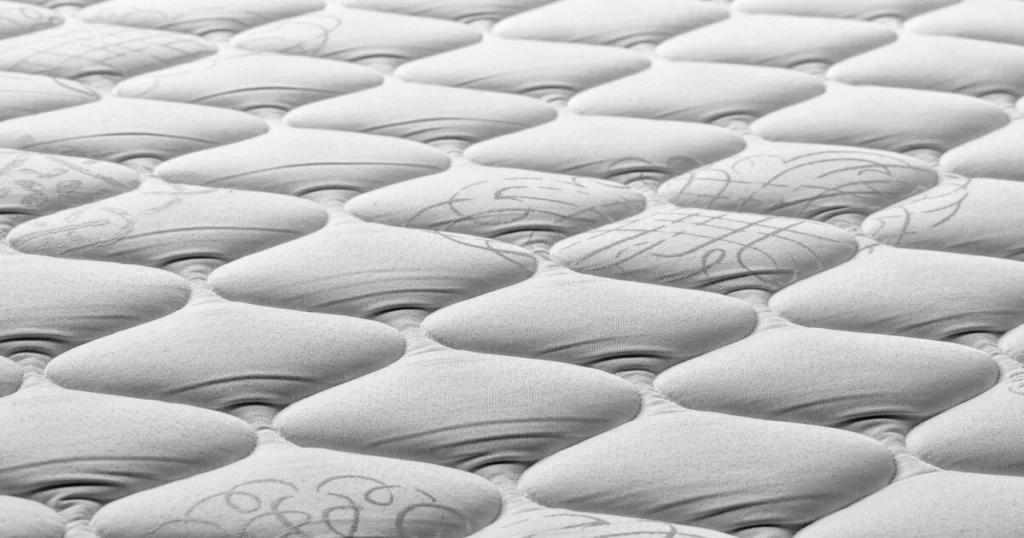
Most people have never thought about what their mattress is made of. It sits under a fitted sheet, does its job, and gets replaced every eight to ten years without much scrutiny. But the materials inside a conventional mattress are worth understanding – particularly if you spend concerns about chemical exposure, allergies, or long-term durability.
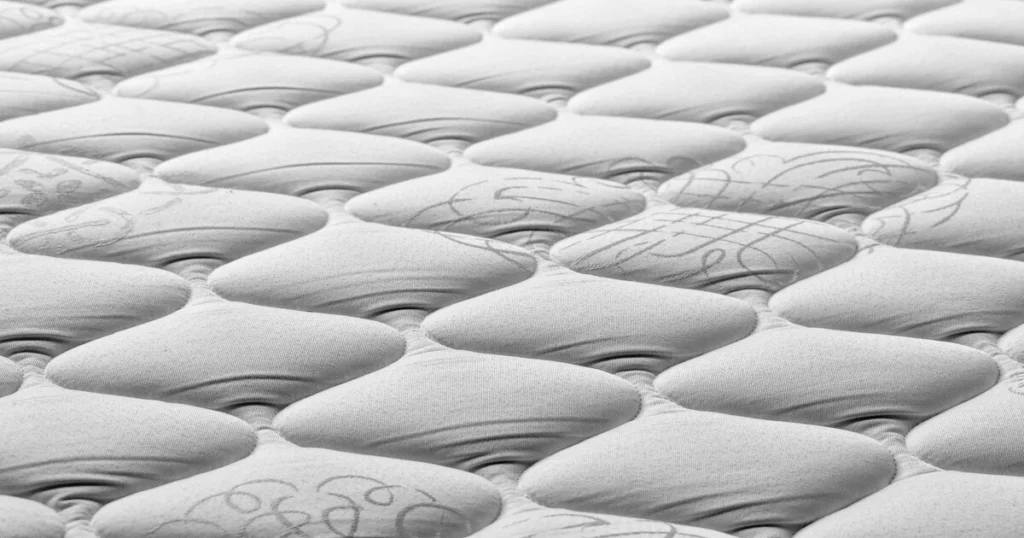
A standard regular mattress typically contains one or more of the following:
- Polyurethane foam – a petroleum-derived material used in most budget and mid-range mattresses as the primary comfort layer
- Memory foam – a denser version of polyurethane foam with slower response, known for off-gassing when new
- Innerspring coils – steel springs providing the core support structure, often combined with foam comfort layers
- Synthetic fibres – polyester and other man-made materials used in quilting and cover layers
- Chemical flame retardants – applied to meet fire safety regulations in most markets, often using compounds that can off-gas over time
- Adhesives and bonding agents – used to hold layers together during manufacturing
None of this makes a conventional mattress dangerous in normal use. Millions of people sleep on them without issue. But the combination of synthetic materials and chemical treatments is the starting point for understanding what the organic alternative is actually offering.
What Is Inside an Organic Mattress?
An organic mattress replaces synthetic materials with natural alternatives at every layer, and uses independently certified organic materials where possible.
Common materials in a certified organic mattress include:
- Organic cotton – grown without synthetic pesticides or fertilisers, used in the ticking, quilting, and comfort layers
- Organic wool – a natural flame barrier that meets fire safety regulations without chemical treatment, also provides temperature regulation
- Natural latex – derived from rubber tree sap, used as a comfort and support layer; offers bounce and pressure relief without petroleum-based foam
- No chemical flame retardants – wool acts as the natural alternative in most certified organic mattresses
- No synthetic adhesives – layers are held together through construction rather than chemical bonding
The key distinction is not just the materials themselves but the certification that verifies them. GOTS – the Global Organic Textile Standard – is the most widely recognised independent certification for organic textiles. A GOTS-certified mattress has been verified by a third-party auditor at every stage of production, from raw material farming through to the finished product. Self-declared “organic” or “natural” claims without certification carry no such guarantee.
What Is Off-Gassing and Why Does It Matter?
Off-gassing refers to the release of volatile organic compounds (VOCs) from synthetic materials – a process that happens most noticeably when a new mattress is unpacked but can continue at lower levels for months or years.
The smell associated with a new foam mattress is the most familiar example of off-gassing. The compounds responsible include benzene, toluene, and formaldehyde – all of which are present in low concentrations in conventional foam mattresses and are classified as potential irritants or health concerns at higher exposure levels.
For most healthy adults sleeping on a conventional mattress in a ventilated room, off-gassing is not considered a significant health risk. The concentrations involved are generally well below levels associated with acute harm.
However, for specific groups the picture is different. Infants and young children spend significantly more time in contact with their mattress than adults, breathe at a lower height where heavier VOCs accumulate, and have developing respiratory and immune systems. People with chemical sensitivities, asthma, or allergies may notice reactions to off-gassing that others do not. For these groups, a mattress that produces no off-gassing is a meaningful practical consideration rather than a lifestyle preference.
Organic mattresses made from natural materials – cotton, wool, latex – do not off-gas synthetic compounds. They may have a mild natural scent when new, which dissipates quickly and involves none of the compounds associated with foam off-gassing.
Which Lasts Longer – Organic or Regular?
Durability is one area where organic mattresses have a credible advantage over conventional alternatives, though with some nuance.

Polyurethane foam degrades over time. The compression that makes a foam mattress comfortable in the first years gradually becomes permanent – the material loses its ability to fully recover between uses. Most conventional foam mattresses are considered end-of-life at around seven to ten years, with noticeable performance decline often starting earlier.
Natural latex – the primary support material in many organic mattresses – is significantly more durable. High-quality natural latex can maintain its performance characteristics for fifteen to twenty years or more. Organic cotton and wool do not degrade in the same way as synthetic foam, and can be refreshed or refilled in some mattress designs.
Some organic mattress manufacturers – including those who handcraft their products domestically – offer services to extend the life of their mattresses further, such as flipping, restuffing, or recovering. These options are rarely available for conventional foam mattresses, which are designed as single-use products.
The practical implication: a well-made organic mattress bought at a higher upfront price may cost less per year of use than a cheaper conventional mattress replaced more frequently.
How Does the Price Compare?
The price difference between organic and conventional mattresses is real and significant. A queen-size conventional foam or innerspring mattress is available from around $300 to $800 / approximately £250 to £650 / €280 to €740 at most retailers. A certified organic queen mattress from a reputable manufacturer typically starts around $800 to $1,500 / approximately £650 to £1,200 / €740 to €1,380 and goes higher for latex-core or custom options.
That is a meaningful gap. Whether it represents good value depends on the factors already discussed – durability, specific health considerations, and personal priorities around materials and manufacturing.
It is also worth noting that discounts are available on organic mattresses through promotional codes and partner offers. Checking for an active discount code on White Lotus Home’s deals page before purchasing can reduce the upfront cost meaningfully. Always verify the exact current price directly on the retailer’s website before completing any purchase.
Who Should Consider an Organic Mattress?
An organic mattress makes the most practical sense for the following buyers:
Parents buying for infants and young children. The off-gassing concern is most relevant here. A crib mattress that a baby sleeps on for eight to twelve hours a day, in close proximity to their face, is the highest-priority item for parents who want to minimise synthetic chemical exposure. Certified organic crib mattresses are the most compelling use case for the organic category.
People with allergies, asthma, or chemical sensitivities. If you currently notice reactions to synthetic materials – skin irritation, respiratory symptoms, disrupted sleep with no other obvious cause – switching to a mattress made from natural materials is a logical step worth trying.
Buyers focused on long-term value. If you intend to keep a mattress for fifteen or more years and want something that will hold up over that period, a high-quality natural latex mattress is a more credible choice than conventional foam at any price point.
People who prioritise domestic manufacturing or supply chain transparency. Certified organic mattresses made in the US – like those from White Lotus Home, which has been handcrafting organic bedding in New Jersey since 1981 – offer a level of production transparency that imported conventional mattresses cannot match. For a detailed look at what that brand offers, our White Lotus Home review covers the full range, pricing, and what customers say.
Who Does Not Need an Organic Mattress?
An organic mattress is not the right choice for everyone, and there is no reason to feel otherwise.
If you are a healthy adult without chemical sensitivities, sleeping in a well-ventilated room, on a budget that makes a $1,000+ mattress impractical – a conventional mattress is a perfectly reasonable choice. The off-gassing concern in normal adult use is low. The durability gap matters less if you are not planning to keep the mattress for fifteen years. The price difference is real money.
The honest answer is that organic bedding is a meaningful upgrade for specific people in specific situations. It is not universally necessary, and anyone telling you otherwise is selling something.
A Quick Comparison Summary
Regular mattress: lower upfront cost, widely available, shorter lifespan, synthetic materials, off-gassing when new, chemical flame retardants typically present.
Organic mattress: higher upfront cost, natural materials, no synthetic off-gassing, wool as natural flame barrier, longer lifespan with proper care, independently certified options available.
The Bottom Line
The difference between organic and regular mattresses is not about marketing language – it is about specific, verifiable material and manufacturing differences that matter more to some buyers than others. For parents, allergy sufferers, and long-term buyers, the organic option addresses real concerns. For everyone else, it is a personal choice worth making with accurate information rather than pressure.
If you are considering an organic mattress and want a starting point, browse current deals and discount codes on the MBM Blog – and check the White Lotus Home brand page for any active offers before you buy.
Prices mentioned in this article are approximate and for reference only. Always verify current pricing and product specifications directly on the retailer’s website before making a purchase decision.